Why You'll Love It
- - Minimal ingredients, all pantry staples
- - No kneading required, just fold and rise
- - Warm aroma that fills the whole house
- - Perfect soft crumb for butter or jam
“The loaf turned out so soft, I could barely cut it. My family asked for seconds!”
Essential Ingredient Guide
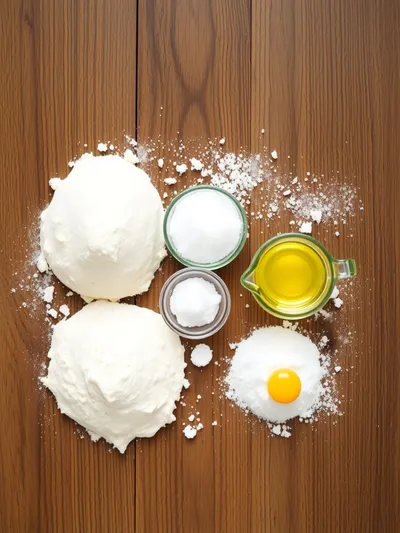
- All‑purpose flour: Look for a clean, milled flour; it gives the loaf structure and a tender crumb.
- Active dry yeast: Fresh yeast awakens the dough; proof it in warm water to ensure it’s lively.
- Honey (optional): Adds a subtle sweetness and feeds the yeast, helping a higher rise.
- Salt: Balances the flavor and strengthens the gluten network.
- Warm water: Ideally 110°F; it activates the yeast without shocking it.
- Olive oil: A drizzle adds a silken texture to the crust.
Complete Cooking Process
-
Ingredient Readiness:
Measure flour, proof yeast in warm water, and have salt and oil at hand.
-
Flavor Development:
Combine honey with water so the yeast gets a gentle feed, creating a sweet‑subtle backdrop.
-
Texture Control:
Fold the dough just until it comes together; over‑mixing can make it tough.
-
Finishing Touches:
Brush the top with oil before baking for a glossy, soft crust.
-
Serving Timing:
Let the loaf cool for ten minutes; the interior stays warm and steam‑soft.
- Cover the bowl with a damp towel; this keeps the surface from drying out.
- Use a kitchen towel as a weight during the second rise for an even lift.
- If the crust hardens, brush with a little melted butter right after baking.
- Store in a paper bag to retain crust while keeping the crumb moist.
Pro Tips
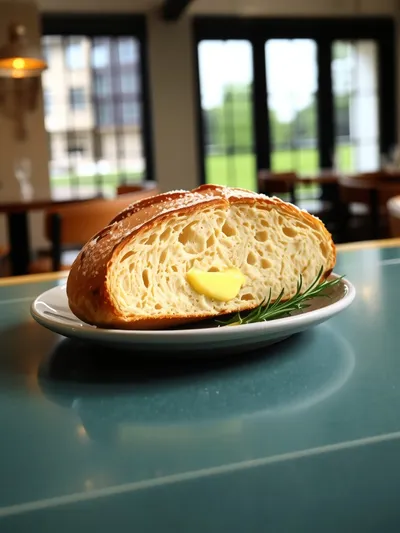
I find that a little patience during the rise makes all the difference. The dough will puff up just enough to feel light to the touch. When you slice into that golden top, you’ll hear the soft sigh of a well‑baked loaf, and the kitchen will feel cozier than ever.
The essence of the dish:
A fun fact or historical angle:
Flavor or sensory focus:
You Must Know
- Yeast thrives in warm, not hot, water.
- Do not over‑mix; a shaggy dough is okay.
- Cover the dough for an even rise.
Frequently Asked Questions
→ Can I use whole‑wheat flour?
Yes, substitute up to half the all‑purpose flour with whole‑wheat for a nuttier flavor, but you may need a bit more water.
→ How long does the dough need to rise?
About 1 hour in a warm spot, or until it has doubled in size.
→ Do I need a bread pan?
No, a simple baking sheet works; the loaf spreads slightly, giving a rustic shape.
→ What if I don’t have honey?
Replace with a tablespoon of brown sugar or omit; the rise will be slightly slower.
→ Can I add herbs or cheese?
Absolutely – fold in chopped rosemary or shredded cheddar after the initial mixing for a savory twist.
→ How to store leftovers?
Wrap the loaf in a clean kitchen towel and store in a paper bag for up to three days; reheat briefly in the oven.
Chef's Tips
If the dough sticks, dust the surface with a little extra flour before shaping.,For a crustier top, spray the loaf with water before baking.,Let the loaf cool on a wire rack to keep the crust crisp.
Nutrition Facts
per serving
210
Calories
6g
Protein
38g
Carbs
4g
Fat
Taste Profile
Soft, subtly sweet, and comforting
Ingredient Substitutions
Don't have an ingredient? Try these alternatives
Bread flour gives a chewier crumb; you may need a touch less water.
Butter adds a richer flavor but reduces the crispness of the crust.
Recipe Variations
Try these delicious twists on the original
Whole Wheat Version
Replace half the all‑purpose flour with whole wheat flour for a nuttier flavor and added fiber.
Herb Infused
Fold in a tablespoon of chopped rosemary or thyme before the first rise for aromatic depth.
Common Mistakes to Avoid
Learn from others' mistakes for perfect results
- Using water that's too hot, which kills the yeast.
- Over‑mixing the dough, leading to a dense crumb.
- Skipping the cover during rise, causing a dry crust on the dough.
Meal Prep & Storage
Make Ahead Tips
You can mix the dry ingredients and store them in an airtight container for up to a month; simply add yeast, water, and oil when ready to bake.
Leftover Ideas
Reheat gently in a skillet with a splash of water, covered, to revive the soft interior.
Perfect Pairings
Serve this with...
Cooking Timeline
Gather and measure all ingredients; proof yeast.
Mix dough, fold, and shape into a loaf.
First rise: cover bowl and let dough double.
Preheat oven, brush loaf with oil.
Bake, then cool on wire rack.
Easiest Homemade Bread
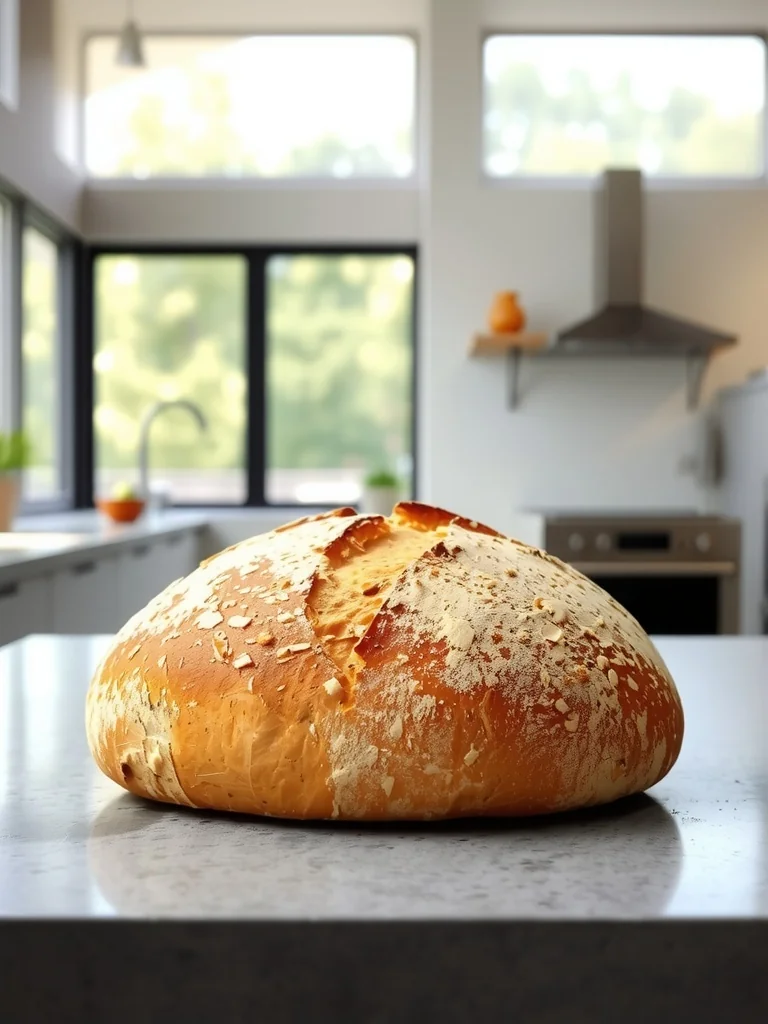
Discover the joy of baking a warm, fluffy loaf with just a handful of pantry staples. This recipe walks you through each gentle step, so the bread rises beautifully every time.
Timing
Prep Time
15 Minutes
Cook Time
25 Minutes
Total Time
40 Minutes
Recipe Details
Ingredients
Main Ingredients
- 01 3 cups all‑purpose flour
- 02 1 cup warm water (110°F / 43°C)
- 03 1 packet (2 ¼ tsp) active dry yeast
- 04 1 tbsp honey
- 05 1 tsp salt
- 06 2 tbsp olive oil
Instructions
In a small bowl, combine warm water, honey, and yeast. Let sit 5‑7 minutes until foamy.
In a large mixing bowl, whisk flour and salt together. Make a well, pour in the yeast mixture and olive oil.
Mix with a wooden spoon until a shaggy dough forms; then turn onto a floured surface and fold gently a few times.
Place the dough in a lightly oiled bowl, cover with a damp towel, and let rise in a warm spot until doubled, about 1 hour.
Preheat oven to 375°F (190°C). Shape the dough into a round loaf, place on a parchment‑lined baking sheet, brush the top with a little oil.
Bake for 25‑30 minutes, or until the crust is golden and the loaf sounds hollow when tapped.
Notes & Tips
- 1 If the dough sticks, dust the surface with a little extra flour before shaping.
- 2 For a crustier top, spray the loaf with water before baking.
- 3 Let the loaf cool on a wire rack to keep the crust crisp.
Tools You'll Need
-
Large mixing bowl
-
Wooden spoon
-
Measuring cups and spoons
-
Baking sheet
-
Parchment paper
-
Oven
Must-Know Tips
- Don't over‑mix; a few folds are enough to develop gluten.
- Cover the dough to retain moisture during the rise.
- Check oven temperature with an oven thermometer for accuracy.
Professional Secrets
- Use room‑temperature ingredients for even fermentation.
- Steam the oven for the first 10 minutes to create a soft crust.
- Let the loaf rest before slicing to finish the interior steam.

Recipe by
EsterEster is a seasoned food blogger and recipe creator who brings a fresh, approachable voice to Lancefood’s vibrant culinary community. With over eight ...
Get Delicious Recipes Weekly
Join 25,000+ home cooks getting our best recipes straight to their inbox.
Free forever • No spam • Unsubscribe anytime