Why You'll Love It
- - Fluffy, melt‑in‑your‑mouth layers
- - Silky, sweet‑but‑not‑overwhelming buttercream
- - Simple ingredients you already have
- - A timeless look that feels special
"The buttercream was so silky, it melted in my mouth—exactly the comfort my daughter needed after her ceremony!"
Essential Ingredient Guide
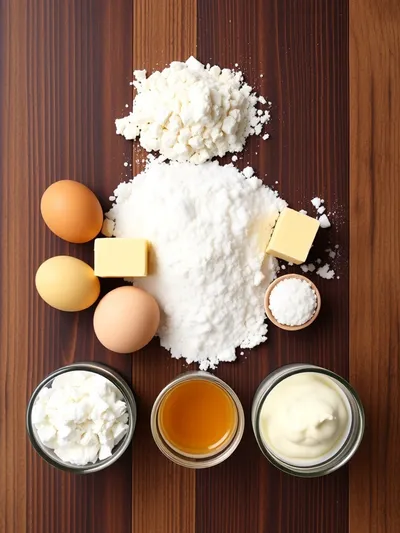
- All‑purpose flour: Choose a fine, unbleached flour for a tender crumb; sift twice for extra lightness.
- Unsalted butter: Use high‑quality butter at room temperature; it creates a smooth, glossy frosting.
- Granulated sugar: A sweet backbone; consider superfine sugar for quicker dissolve.
- Eggs: Fresh eggs add richness; they help the cake rise evenly.
- Lemon juice: A splash of acidity brightens the buttercream and balances the sweetness.
- Vanilla extract: Pure vanilla adds depth without overpowering the butter flavor.
Complete Cooking Process
-
Ingredient Readiness:
Measure and sift dry ingredients, bring butter and eggs to room temperature, and pre‑heat the oven.
-
Flavor Development:
Cream butter and sugar until pale, then fold in eggs and vanilla, allowing the mixture to capture air.
-
Texture Control:
Gently fold in flour, being careful not to over‑mix; this keeps the crumb light.
-
Finishing Touches:
Whisk buttercream until fluffy, add lemon juice, and pipe smooth layers between cake tiers.
-
Serving Timing:
Let the assembled cake rest at room temperature for 20 minutes before slicing.
- Cool cakes completely before frosting to avoid melting.
- Use a turntable for even frosting.
- Chill the finished cake briefly for clean cuts.
- Replace lemon juice with a dash of orange zest for a subtle twist.
Pro Tips
Well, those little details can make the difference between a good cake and a memorable one. I’ve found that taking a pause, letting the buttercream settle, and then piping slowly gives that classic vintage look we all love. It’s a gentle rhythm, just like the graduation ceremony itself.
The essence of the dish:
A fun fact or historical angle:
Flavor or sensory focus:
You Must Know
- Butter must be soft, not melted.
- Don’t over‑mix the batter.
- Cool completely before frosting.
Frequently Asked Questions
→ Can I make this cake gluten‑free?
Yes, swap the all‑purpose flour for a 1‑to‑1 gluten‑free blend; the texture remains tender.
→ How far ahead can I bake the layers?
The cake layers keep well wrapped at room temperature for up to two days, or freeze for longer.
→ What frosting consistency is ideal?
Aim for a spreadable yet firm buttercream that holds its shape when piped.
→ Do I need to level the cakes?
A quick level with a serrated knife gives an even stack and a professional look.
→ Can I add a filling between layers?
A thin raspberry jam or vanilla custard works beautifully without weighing down the cake.
→ How do I store leftovers?
Cover the cake loosely with foil and keep it in the refrigerator; bring to room temperature before serving.
Chef's Tips
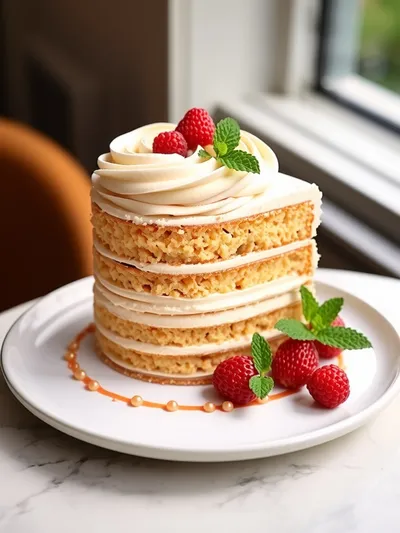
If the buttercream feels too soft, chill it for 10 minutes before frosting.,A light dusting of powdered sugar adds a delicate finish.,For an extra touch, pipe simple ribbon borders using a plain tip.
Nutrition Facts
per serving
420
Calories
6g
Protein
58g
Carbs
18g
Fat
Taste Profile
A gentle sweet butter flavor with a hint of citrus brightness.
Ingredient Substitutions
Don't have an ingredient? Try these alternatives
Use a plain, unsweetened variety to keep the flavor balanced.
Provides a subtle caramel note; reduce by 1‑2 tbsp if you prefer less sweetness.
Recipe Variations
Try these delicious twists on the original
Spicy Version
Add a pinch of ground cinnamon and a dash of cayenne to the frosting for warmth.
Mediterranean Style
Fold chopped pistachios and orange zest into the buttercream for a bright, nutty twist.
Common Mistakes to Avoid
Learn from others' mistakes for perfect results
- Over‑mixing the batter, which creates a tough crumb.
- Skipping the cooling step, causing frosting to slide off.
- Using cold butter for frosting, leading to a grainy texture.
Meal Prep & Storage
Make Ahead Tips
You can bake the cake layers a day ahead and store them wrapped in plastic. Keep the buttercream refrigerated; bring to room temperature and re‑whip before frosting.
Leftover Ideas
Refrigerate slices in an airtight container; warm gently in the microwave for 10 seconds before serving.
Perfect Pairings
Serve this with...
Cooking Timeline
Gather and measure all ingredients; preheat oven.
Cream butter and sugar, add eggs and vanilla, then fold in dry ingredients.
Bake layers, then cool completely on the rack.
Whip buttercream to a fluffy consistency.
Assemble and frost the cake, then set aside to settle.
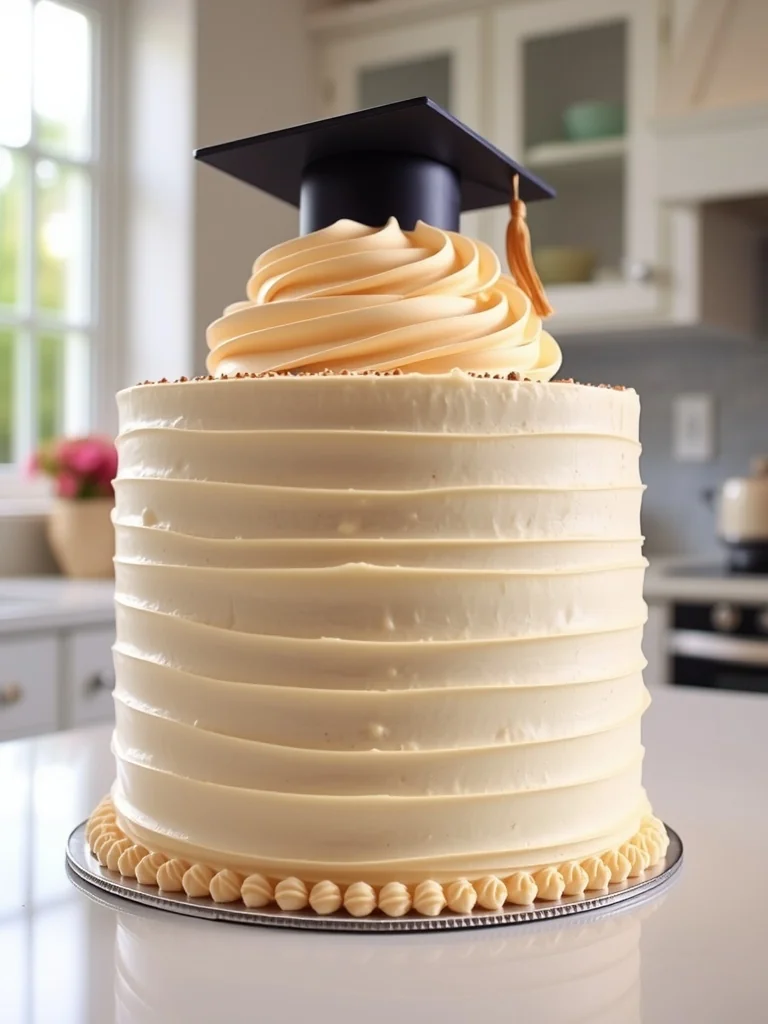
Vintage Buttercream Graduation Cake
Celebrate a milestone with a timeless silly graduation cake that whispers of vintage charm. The layers are airy, the buttercream silky, and the whole piece feels like a gentle hug for the graduate. It sits proudly among our desserts collection, offering both elegance and comfort.
Timing
Prep Time
30 Minutes
Cook Time
35 Minutes
Total Time
1 Hour 15 Minutes
Recipe Details
Ingredients
Cake Layers
- 01 2 cups all‑purpose flour
- 02 1 ½ cups granulated sugar
- 03 ½ cup unsalted butter, softened
- 04 4 large eggs
- 05 1 cup whole milk
- 06 2 tsp baking powder
- 07 ¼ tsp salt
- 08 2 tsp vanilla extract
Buttercream Frosting
- 01 1 cup unsalted butter, softened
- 02 3 ½ cups confectioners’ sugar, sifted
- 03 2 tbsp lemon juice
- 04 1 tsp vanilla extract
- 05 Pinch of salt
Instructions
Preheat the oven to 350°F (175°C). Grease three 8‑inch round cake pans and line the bottoms with parchment.
In a large bowl, cream the butter and sugar together until pale and fluffy, about 3‑4 minutes.
Add eggs one at a time, mixing well after each, then stir in vanilla.
In a separate bowl, whisk flour, baking powder, and salt. Gradually add the dry mix to the wet mixture, alternating with milk, beginning and ending with flour.
Divide batter evenly among the prepared pans and bake for 22‑25 minutes, or until a toothpick comes out clean.
Allow cakes to cool in pans for 10 minutes, then turn out onto a wire rack to cool completely.
While cakes cool, beat butter for the frosting until light, then gradually add sifted confectioners’ sugar, lemon juice, vanilla, and a pinch of salt. Beat until smooth and airy.
Place one cake layer on a serving plate, spread a thin crust of buttercream, top with second layer, repeat, and finish with the third layer.
Use an offset spatula to spread a generous, even coat of buttercream over the top and sides, creating a smooth vintage finish.
Notes & Tips
- 1 If the buttercream feels too soft, chill it for 10 minutes before frosting.
- 2 A light dusting of powdered sugar adds a delicate finish.
- 3 For an extra touch, pipe simple ribbon borders using a plain tip.
Tools You'll Need
-
Three 8‑inch round cake pans
-
Electric mixer
-
Offset spatula
-
Piping bag
-
Cake turntable
-
Wire cooling rack
Must-Know Tips
- Don’t over‑mix the batter, it can lead to a dense crumb.
- Room‑temperature butter creates the smoothest frosting.
- Taste the buttercream before frosting; adjust lemon or sugar as needed.
Professional Secrets
- Cream butter and sugar until the mixture is pale, which traps air for lift.
- Sift confectioners’ sugar to avoid grainy frosting.
- Cool cake layers completely to prevent frosting from sliding.
Recipe by
JenniferJennifer is a seasoned food blogger and recipe creator who brings a fresh, home‑cooked vibe to Lancefood’s ever‑growing collection of dishes. With ove ...
Get Delicious Recipes Weekly
Join 25,000+ home cooks getting our best recipes straight to their inbox.
Free forever • No spam • Unsubscribe anytime